
Not all Macs can be over clocked, but three models in the Mac II lines can – the IIsi, Iivx, and “wicked fast” IIfx. These pages provide information on the maximum reliable speed, which may vary from one machine to the next.
Chipping is not authorized by Apple. Any modifications you perform on your Mac may damage it. Modifications are done at your own risk.
Be sure to visit The Clock Chipping Home Page, the definitive resource on chipping the Mac.
There are also third-party upgrades for most Mac II models, including some 68040- and PowerPC-based ones that should provide a much bigger boost, albeit at a higher price and likely difficult to find nowadays.
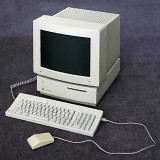 Mac IIsi
The Mac IIsi comes with an 40 MHz oscillator, which runs the computer at 20 MHz (half the speed of the oscillator). You can put in a 50 MHz oscillator to run the computer at 25 MHz quite easily. You may be able to put up a 55 MHz oscillator in it, to run the card at 27.5 MHz. The limiting factor here is the floppy drive controller. Also, the FPU in the PDS to NuBus adapter and Ethernet cards may not be able to run at these higher speeds.
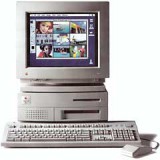 Mac IIvx
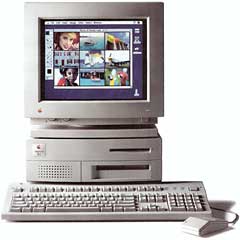
The Mac IIvx comes with a 62.6688 MHz oscillator, which runs the computer at 31.3344 MHz. One user replaced the 31.3344 MHz oscillator (G2) with a 40 MHz oscillator and then replaced the 25.175 MHz oscillator (G1) with the 31.3344 MHz he just replaced. The performance increase was significant, though there were a few problems. The system clock runs faster and the pitch of the sound is higher. Also, you will need a heat sink for the 68030 when running it this fast.
- Info from Mac IIvx Speedup
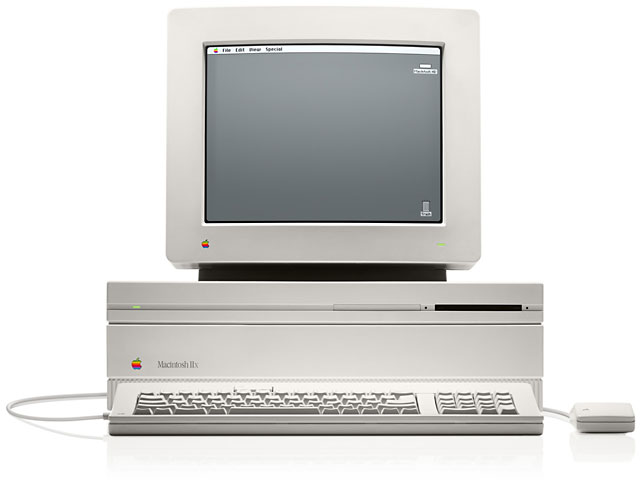 Mac IIfx
The Mac IIfx comes with an 80 MHz oscillator, which runs the computer at 40 MHz. Usually, it can be clock chipped to 50 MHz by replacing the oscillator with a 100 MHz one. One person replaced the 40 MHz 68030 and 68882 with the 50 MHz versions of these chips and is now running the computer at 60 MHz without problems. The Processor Direct Slot (PDS) will no longer work in an accelerated IIfx.
- Info from Clock Chipping the Mac IIfx
Keywords: #overclocking
searchword: overclockingmacii
